
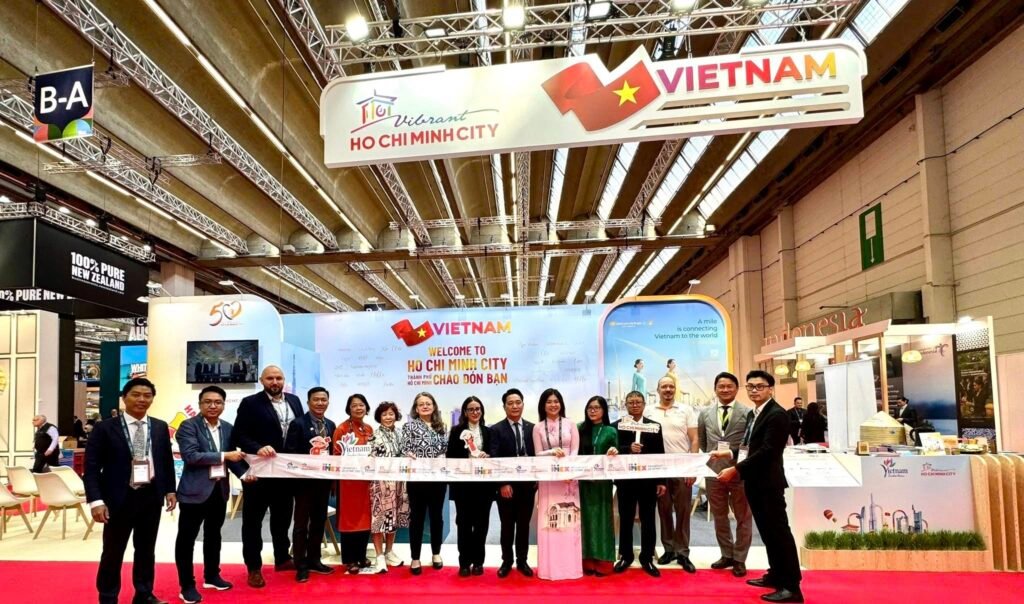
Heritage, Tech, and Strategic Growth
The Meetings, Incentives, Conventions, and Exhibitions (MICE) segment has been strategically identified as a spearhead economic sector for Vietnam, transitioning from a post-pandemic recovery phase into a period of calculated, sustainable growth.
As the nation enters the fourth quarter of 2025, a critical period for business travel and event organization, the MICE industry exhibits a vibrant dynamism, fueled by government policy, infrastructure upgrades, and a dual-focus strategy blending deep cultural identity with digital innovation. This period is not merely a cyclical peak, but a significant phase in establishing Vietnam as a leading, high-value MICE destination in the Asia-Pacific region, with the total market value estimated to reach approximately $7.28 billion for the year.
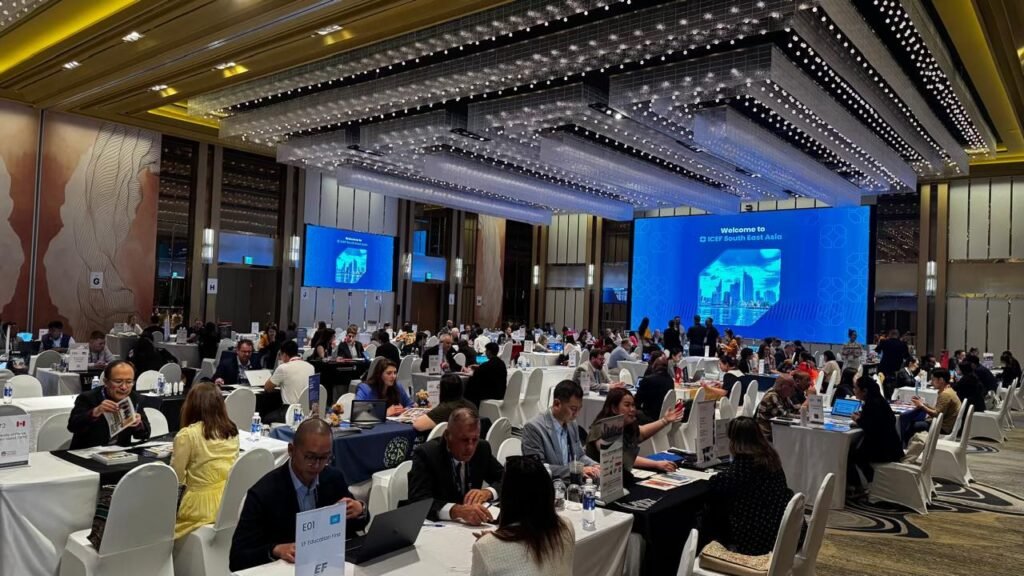
The current strength of the MICE sector is built upon strategic national enablement. Recognizing the high economic yield of business travelers, the Vietnamese government has implemented crucial, supportive policies that reduce barriers to entry and enhance market attractiveness. The most impactful of these initiatives is the significantly extended e-visa validity and expanded visa exemption list, which effectively streamlines the administrative friction that once complicated international event planning. Simultaneously, substantial national investment in infrastructure, particularly in airport and expressway development, directly addresses mobility bottlenecks, ensuring seamless delegate flow between major economic centers and tourism hubs. These structural improvements are essential for accommodating the projected growth, with the MICE market forecast to expand at a compound annual growth rate (CAGR) exceeding six percent through 2030, reinforcing the strategic role of this sector in national economic planning.
Crucially, the industry’s strategic orientation is defined by the convergence of heritage and technology, a thematic approach that permeates the market in late 2025. This concept, championed at major industry events such as the MICE EXPO 2025, leverages Vietnam’s vast cultural and natural heritage as a creative foundation for unique event experiences. At the same time, technology acts as the decisive bridge for modernization. Event organizers are increasingly adopting digital platforms, augmented reality (AR), and artificial intelligence (AI) to enhance networking, improve event navigation, and offer immersive presentations, thus appealing to the modern, often younger, MICE traveler who seeks a harmonious blend of physical and virtual interaction. This dual focus elevates MICE offerings from simple logistical services to high-value, culturally-rich experiences.
Geographically, while Ho Chi Minh City and Hanoi retain their dominance due to their established commercial ecosystems and large-scale convention centers, Q4 2025 showcases a clear trend toward decentralization and market specialization. The coastal city of Da Nang, and the island destination of Phu Quoc, are rapidly maturing as premier sites for incentive travel and medium-sized conventions, integrating business with high-end leisure (“bleisure”). Furthermore, the sector is experiencing significant growth in specialized event types. Notably, the exhibitions segment is forecasted to be the quickest-expanding component of MICE, driven by Vietnam’s growing stature in global supply chains, particularly in technology, manufacturing, and healthcare. This specialization attracts high-profile, knowledge-economy events, further reinforcing the country’s pivot towards attracting high-spending clientele.
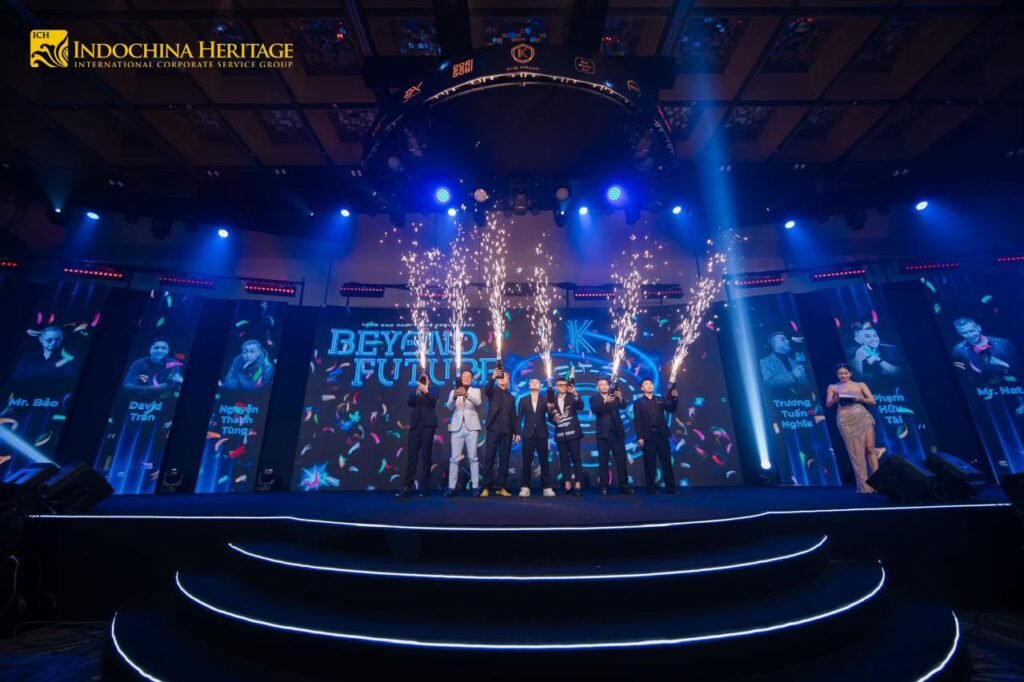
With that said, the final quarter of 2025 serves as a testament to the effectiveness of Vietnam’s coordinated MICE strategy. The synergy between decisive policy reform, substantial infrastructure development, and a unique value proposition centered on the “Heritage and Technology” paradigm positions the country strongly against regional competitors. While challenges remain, particularly in scaling tier-two venue capacity and accelerating sustainability accreditation, the current momentum ensures that MICE tourism will continue to be a potent catalyst for achieving Vietnam’s ambitious tourism and economic targets well beyond the close of the year.
______________
Indochina Heritage was established early as a MICE pioneer and as the name suggests, the company offers full-service destination management across Vietnam and Indochina. We remain a flagship by providing bespoke, high-impact MICE experiences via three specialized divisions: DMC, Event Management, and Teambuilding.

